
Electrical Insulation Powder Coating for Busbars, Battery Trays and Energy Storage Equipment: What Engineers Should Evaluate
Electrical Powder Coating Is About More Than Surface Protection
In conventional metal finishing, powder coating is often selected primarily for corrosion resistance, appearance and mechanical protection.
Electrical and energy applications add another responsibility:
The coating may become part of the insulation system.
Busbars, battery trays, energy-storage components, motor stator and rotor slots, magnetic components and other electrical parts can require a coating that provides both physical protection and defined electrical performance.
That changes the way the powder should be selected.
A customer should not evaluate an electrical insulation powder only by asking:
“What voltage can it withstand?”
A more complete discussion includes dielectric performance, film thickness, edge coverage, adhesion, thermal aging, humidity resistance, thermal cycling, flame-retardant requirements and the geometry of the actual component.
Rivers Powder Coatings has developed EX Series electrical insulation and functional powder systems for power and energy-related applications. Selected systems have been evaluated for insulation performance above 3,800 V, high-temperature/high-humidity exposure, thermal cycling and UL94 V-0 flame-retardant performance under defined test conditions.
The important phrase is selected systems. Electrical performance should always be matched to the actual product and qualification requirements.
Why a Flat Test Panel Does Not Tell the Whole Story
Laboratory panels are valuable for screening coating performance, but electrical components are rarely flat rectangles.
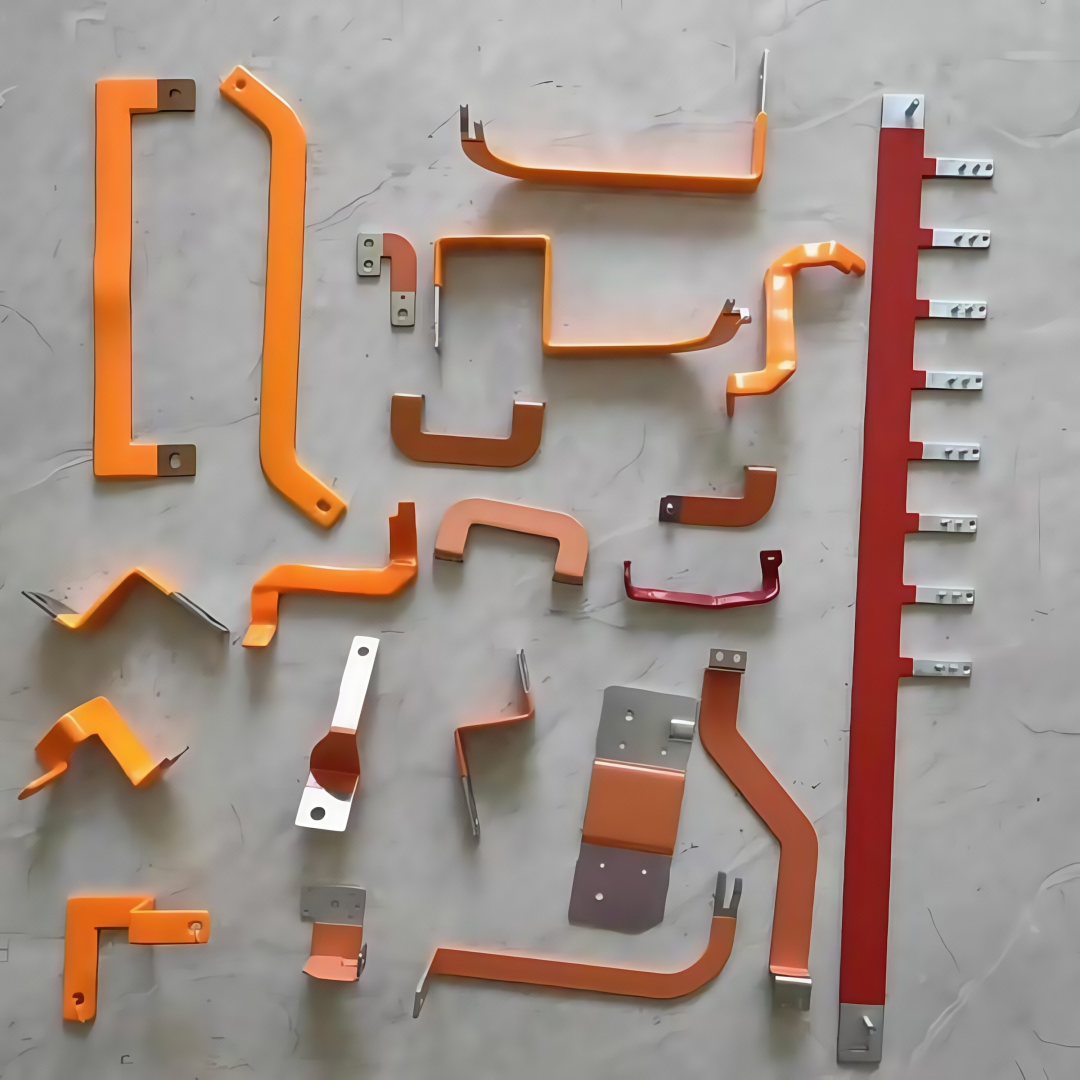
Consider a copper or aluminium busbar.
It may contain punched holes, bends, narrow edges and connection areas. During electrostatic spraying, powder naturally behaves differently around these geometries.
A coating that reaches the target thickness on a broad flat surface may be thinner at an edge.
That matters because insulation performance depends not only on the average film thickness but also on the weakest part of the coated component.
This is why edge coverage deserves particular attention in electrical applications.
When Rivers evaluates an insulation project, the component geometry can be just as important as the nominal voltage requirement. For demanding parts, testing the real component is more informative than relying exclusively on a flat sample panel.
Film Thickness and Dielectric Strength Must Be Evaluated Together
Increasing film thickness can improve the insulation barrier, but “more powder” is not automatically the correct engineering answer.
Excessive film build can create its own problems, including poor flow, internal stress, curing difficulty or dimensional concerns around tight-tolerance areas.
The objective is to establish a controlled coating thickness that consistently meets the required electrical and mechanical performance.
For this reason, a useful insulation specification should define:
target film thickness + acceptable range + test method + required voltage performance.
This is more meaningful than stating a withstand-voltage number without explaining the coating conditions under which it was achieved.
For overseas customers evaluating Rivers' EX Series, the actual substrate, part geometry, target thickness and electrical test method should therefore be confirmed during qualification.
Heat and Humidity Can Be More Demanding Than the Initial Voltage Test
Passing an initial dielectric test is important.
But electrical equipment may remain in service for years while experiencing heat, humidity and repeated temperature changes.
Energy-storage equipment can face especially demanding operating environments.
A coating that performs well immediately after curing also needs to maintain useful properties after environmental exposure.
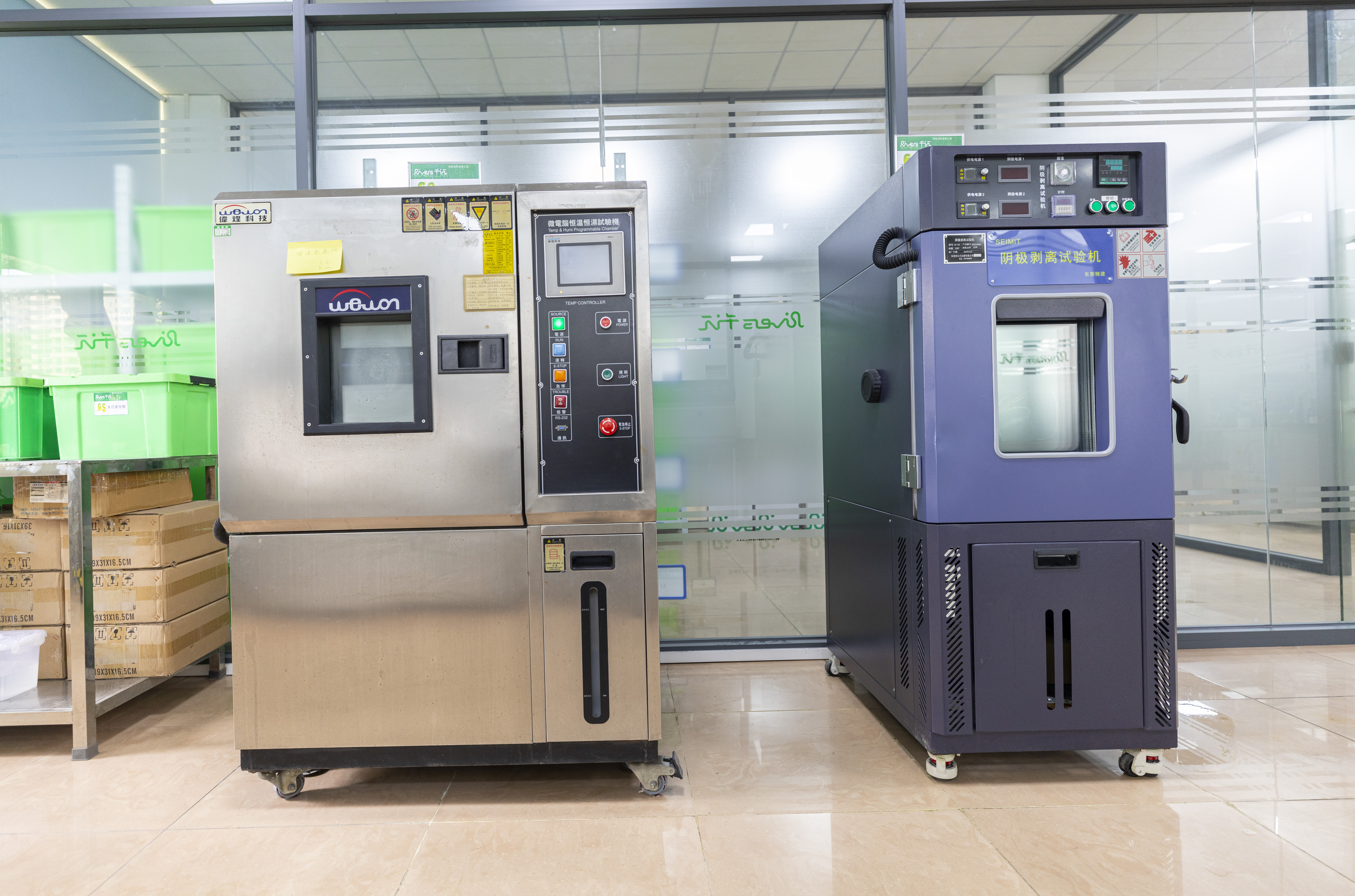
Rivers has developed selected electrical insulation systems that have been evaluated under 85°C / 85% relative humidity conditions for up to 1,000 hours, together with up to 1,000 thermal shock/cycling evaluations for relevant product development.
These tests help engineers investigate how a coating behaves after accelerated environmental stress rather than relying only on its initial condition.
As with all performance data, the exact formulation, substrate, film thickness, test method and acceptance criteria should be confirmed for the project before using the result in a technical specification.
Flame Retardancy Is a Separate Requirement
Electrical insulation and flame retardancy are related in many applications, but they are not the same property.
A coating can provide electrical insulation without automatically meeting a specified flame-retardant classification.
Where a project requires flame-retardant performance, the relevant formulation and test conditions need to be confirmed separately.
Rivers has UL-related capability and selected systems developed to UL94 V-0 flame-retardant requirements.
For customers working on energy storage, electrical equipment or other applications with specific fire-performance requirements, this allows Rivers to discuss an appropriate functional product rather than assuming that every insulation powder carries the same classification.
This distinction is important during supplier qualification because it prevents a company-level capability from being incorrectly interpreted as universal product approval.
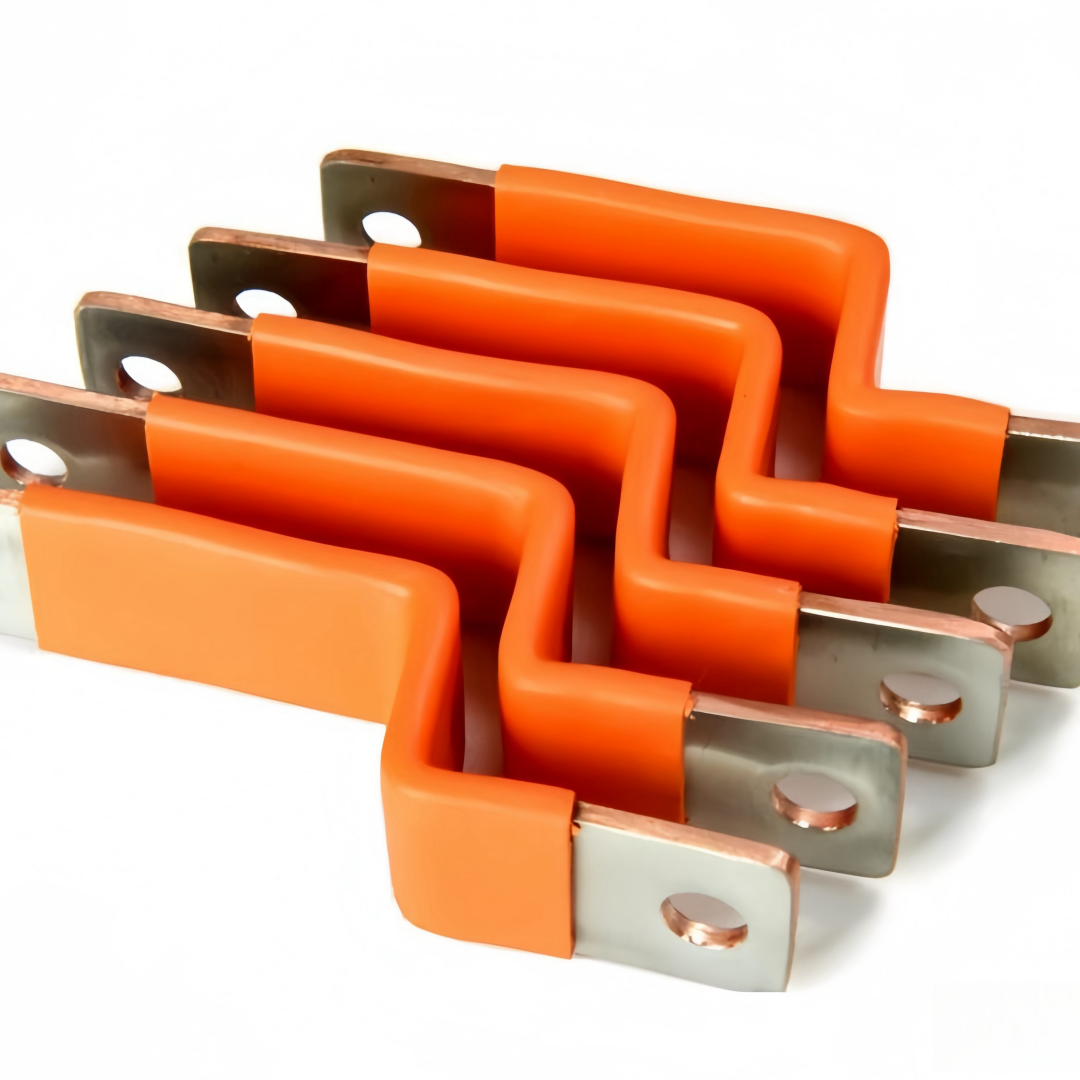
Busbars: Coating the Areas That Matter
Busbars are a good example of why application engineering matters.
Depending on the design, certain connection areas may need to remain uncoated while the rest of the conductor requires insulation. Masking therefore becomes part of the coating process.
Sharp edges, bends and holes require attention to film build. Grounding, electrostatic settings and hanging orientation can influence deposition.
Curing conditions also need to reflect the thermal mass of the component.
A heavy copper busbar may heat differently from a thin steel test panel. The oven-air temperature alone therefore does not prove that the coating has fully cured.
For new projects, Rivers recommends evaluating the actual metal temperature and cure history of the component.
A powder formulation can only deliver its intended properties when the coating has been properly cured.
Battery Trays and Energy Storage Add Mechanical Requirements
Electrical performance may be the first priority, but many energy applications also need mechanical durability.
Battery trays, energy-storage housings and related metal parts can experience assembly operations, transportation and service vibration.
Depending on the component, the coating may therefore need a balance of:
insulation + adhesion + impact resistance + corrosion protection + environmental durability.
This is another reason not to specify a functional powder based on a single headline property.
The best formulation is the one that balances the requirements of the complete component.
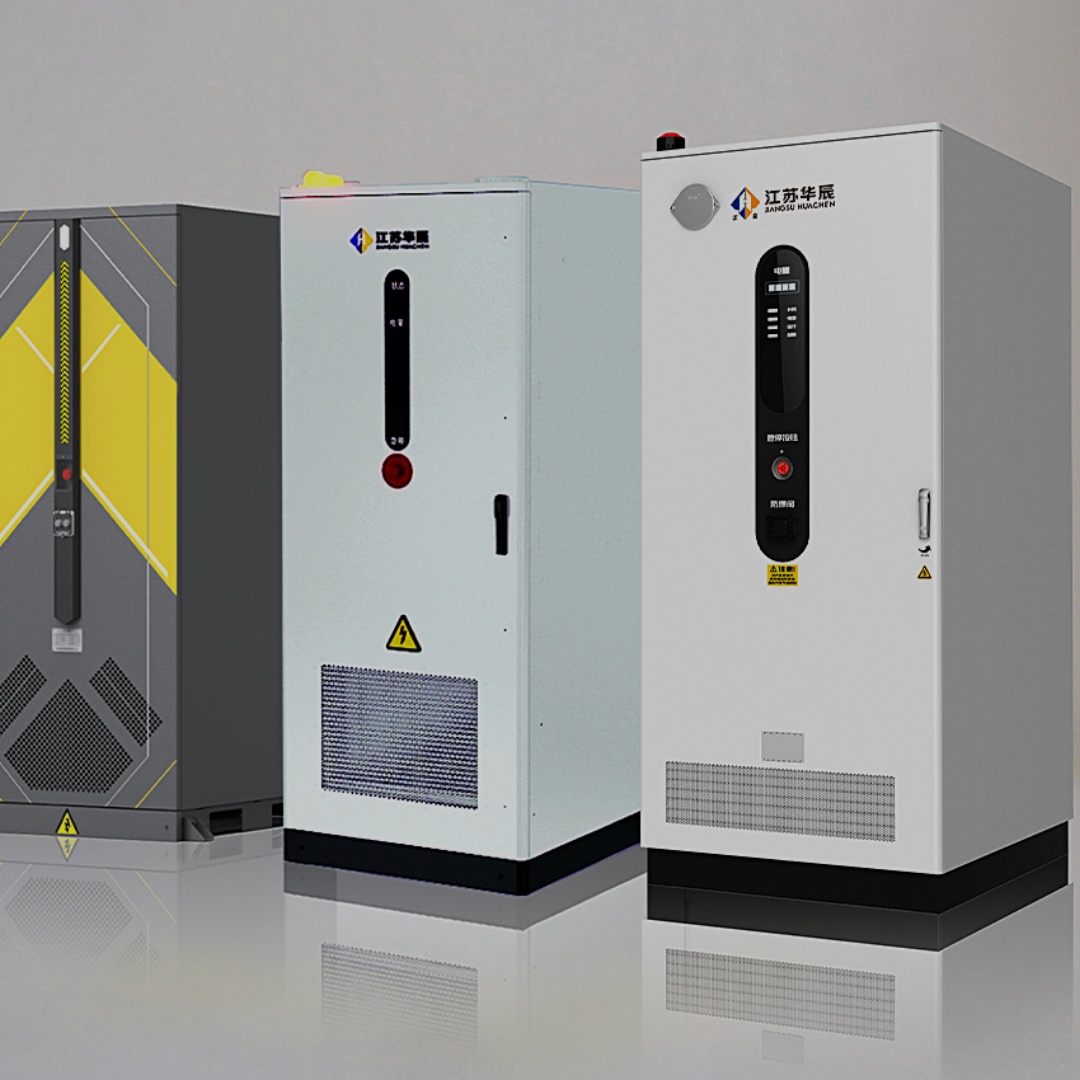
Rivers' experience with power equipment, transformers, busbar-related insulation and energy-storage applications provides a practical foundation for discussing these multi-property requirements.
Why Rivers for Electrical and Energy Applications?
For electrical applications, Rivers' relevant strength is the combination of functional powder development, application experience and project-specific technical support.
The EX Series provides a platform for insulation-related development, while selected systems have been evaluated for high-voltage insulation, 85°C/85% RH exposure, thermal cycling and UL94 V-0-related requirements.
For overseas customers, Rivers can also provide English TDS/SDS and available product-specific test documentation, helping engineering and purchasing teams review the same technical information during supplier qualification.
The objective is not to sell one “universal electrical powder.”
It is to understand the conductor or component, determine which properties actually matter, and then develop or select a coating system around those requirements.
That approach can reduce supplier-switching risk and prevent unnecessary over-specification.
From Electrical Requirement to Production Qualification
A practical development route can follow:
Component & Substrate → Operating Voltage → Target Film Thickness → Geometry & Edge Evaluation → Environmental Requirements → Flame-Retardant Requirement → Sample Coating → Electrical & Mechanical Testing → Actual-Line Trial → Production Approval
For critical applications, customers should also define how production batches will be inspected after approval.
Electrical insulation powder is not simply decorative powder with an additional test value.
It is a functional material that must work together with the component design and coating process.
For Rivers, that is the core principle behind electrical and energy powder coating development:
design the coating around the real component—not around a single number on a datasheet.
Call to Action
Developing an electrical insulation or energy application? Send Rivers your substrate, component drawing or photo, operating voltage, target film thickness, curing conditions and required tests. We can support EX Series product selection, samples, English TDS/SDS, available test documentation and production qualification.

Rivers (Qianjiang) Group
Zhaoqing Qianjiang High-Tech Materials Technology Corporation
Guangdong Huajiang Powder Technology Co., Ltd.
Shandong Qianjiang Powder Technology Co., Ltd.
Guangdong Wesdon Rivers Powder Paints Scientifc Research Co., Ltd.
Zhaoqing Qianjiang Coating Co., Ltd.
Zhuhai Zhengdong Chemicals Co., Ltd.
Zhongshan Yonghan Industrial Additives Co., Ltd.
Guangdong Honglang Technology Co., Ltd.
WhatsApp:+86 150 1171 7323
Mail:global@riversqj.com
Address:
Guangdong Huajiang Powder Technology Co., Ltd.
No. 27 Jianshe Road, Dawang High tech Zone, Zhaoqing, Guangdong Province


