
Powder Coatings for Transformers and Electrical Equipment: Corrosion Protection, Insulation and Reliable Performance
1. Why Powder Coatings Matter in the Power Equipment Industry
Power infrastructure depends on equipment that must operate reliably under demanding conditions.
From distribution transformers and electrical enclosures to switchgear cabinets, energy storage systems and power distribution equipment, protective coatings play an important role in maintaining the quality and durability of metal components.
Unlike many decorative applications, power equipment coatings must often address several requirements simultaneously.
Outdoor equipment may face moisture, sunlight, industrial pollution and corrosive environments. Indoor electrical components may require specific insulation or flame-retardant properties. Transformer tanks and radiators must also accommodate thermal and mechanical operating conditions.
For manufacturers, selecting the right powder coating is therefore more than a matter of color or appearance.
The coating must be compatible with the substrate, operating environment, production process and applicable technical specifications.
A well-designed coating system can help manufacturers improve surface protection, maintain consistent product appearance and support reliable industrial production.

2. Different Electrical Components Require Different Coating Systems
Electrical equipment covers a broad range of applications, and no single powder coating formulation is suitable for every component.
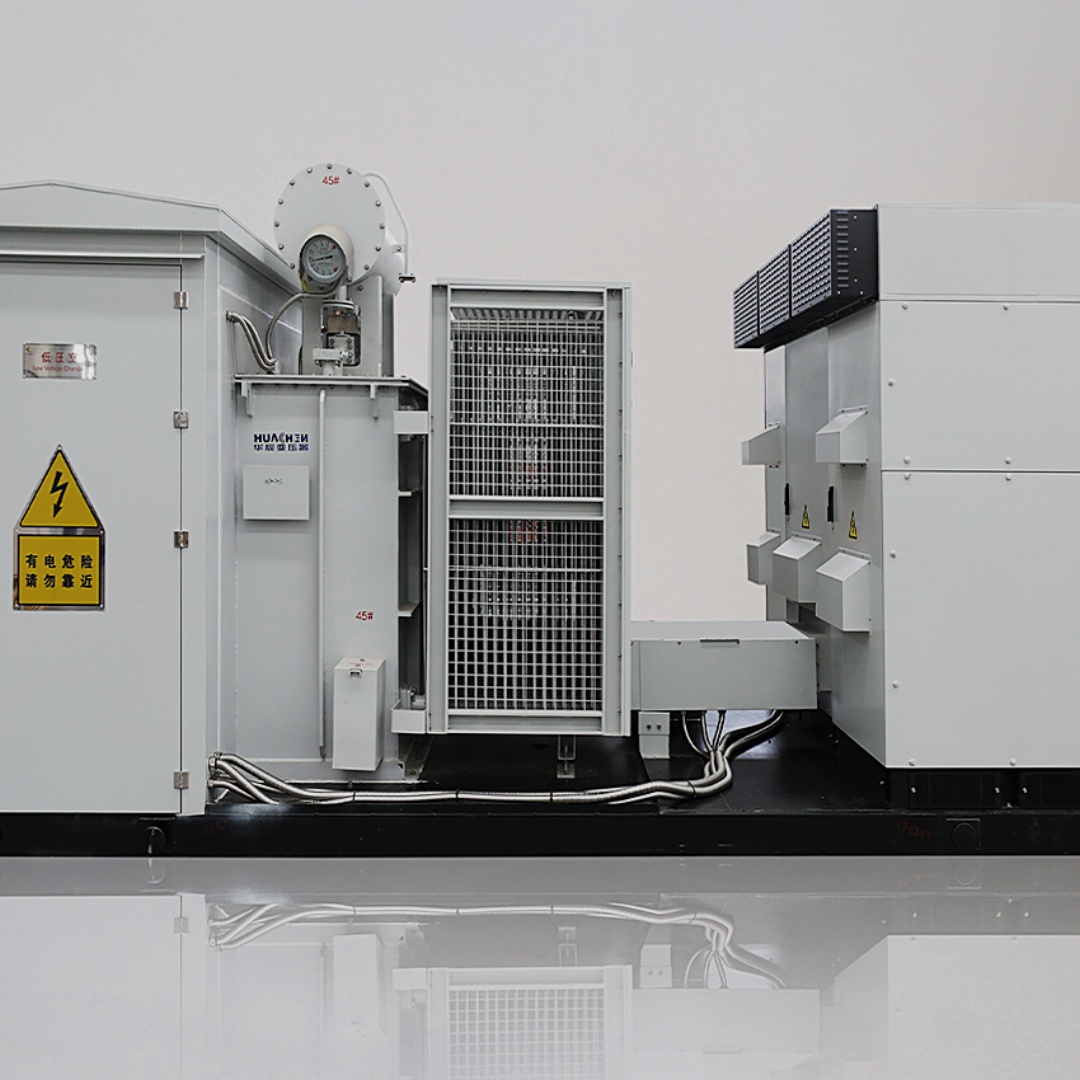
Transformer Tanks and Radiators
Transformer tanks and radiator assemblies are commonly manufactured from steel and may operate in outdoor environments for extended periods.
Their coatings must provide suitable corrosion protection while accommodating the equipment's thermal operating conditions.
Radiator fins and complex welded structures present additional coating challenges.
Narrow spaces, sharp edges and difficult-to-reach surfaces can make uniform powder deposition more difficult.
Manufacturers should pay particular attention to edge coverage, coating thickness and complete curing.
The coating must also be compatible with the equipment's operating temperature and any relevant exposure to transformer oil or maintenance chemicals.
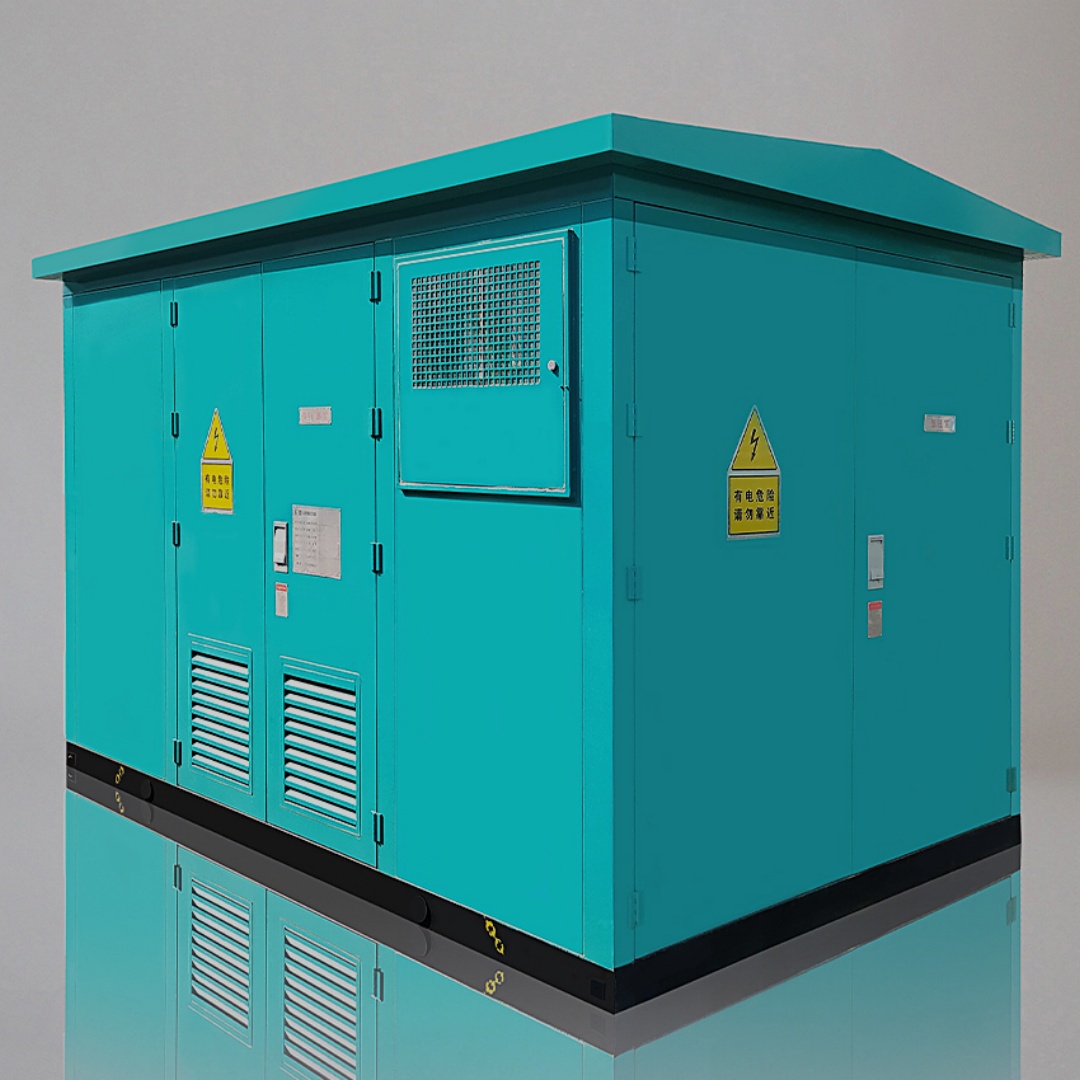
Electrical Cabinets and Switchgear Enclosures
Electrical cabinets and switchgear housings frequently require consistent appearance, good adhesion and mechanical durability.
For indoor applications, epoxy-polyester hybrid powder coatings may provide an appropriate balance of decorative and protective properties.
Outdoor cabinets generally require additional consideration of ultraviolet exposure and weather resistance.
Depending on the environment, suitable exterior-grade polyester systems or multi-layer protective systems may be considered.
Energy Storage Equipment
Energy storage systems include metal enclosures, structural frames, mounting components and various electrical assemblies.
Different components may require different coating properties.
Exterior housings emphasize weather resistance and corrosion protection, while selected internal components may require specialized functional coatings.
The appropriate solution depends on the actual component design and applicable safety requirements.

3. Corrosion Protection for Outdoor Power Equipment
Outdoor electrical equipment may remain in service for many years.
In coastal regions, airborne salts can accelerate corrosion. Industrial locations may expose equipment to moisture and pollutants. Temperature fluctuations can also affect coating performance.
For steel equipment, corrosion protection depends on the complete finishing process.
Surface preparation, pretreatment, coating chemistry, film thickness and curing conditions all influence the final result.
For more demanding environments, manufacturers may evaluate a compatible epoxy primer and weather-resistant polyester topcoat system.
ISO 12944 atmospheric corrosivity categories, including C3, C4 and C5, can provide useful environmental references when developing protective coating specifications.
However, these categories do not automatically certify an individual powder coating.
The complete coating system must be evaluated against the relevant project requirements.
4. Electrical Insulation and Flame-Retardant Requirements
Certain electrical applications require coatings with functional properties beyond conventional corrosion protection.
Electrical insulating powder coatings may be considered for selected components where a defined insulating layer is required.
Important properties can include dielectric strength, volume resistivity, insulation continuity and resistance to relevant environmental conditions.
These properties must be evaluated at the specified coating thickness and under appropriate test conditions.
Flame retardancy is another consideration for certain electrical applications.
UL 94 V-0 is a flammability classification for specified material test specimens under defined conditions. It does not, by itself, establish electrical insulation performance or suitability for every electrical component.
Manufacturers should verify the exact product grade, test conditions and applicable documentation before selecting a functional powder coating.
Electrical insulation, flame retardancy and corrosion resistance are different performance requirements and should be evaluated separately.
5. Coating Challenges on Transformer Radiators and Complex Components
Transformer radiators and electrical equipment structures often contain narrow channels, welded joints and complex geometries.
These features can make electrostatic powder coating more challenging.
The Faraday cage effect may reduce powder deposition in recessed areas, while sharp edges may receive insufficient coverage under certain application conditions.
Excessive film thickness can also create problems, including uneven appearance or unnecessary material consumption.
For transformer radiator applications, manufacturers should evaluate spray equipment, grounding, powder characteristics and curing conditions together.
Coating thickness must be sufficient for the specified protection without interfering with component function.
Thermal performance should also be considered. The effect of the coating on heat dissipation depends on the complete equipment design and should not be assumed from color or coating type alone.
Actual production trials remain essential.
6. Why Production Consistency Matters in Power Equipment Manufacturing
Power equipment manufacturers frequently produce large numbers of similar components under strict quality requirements.
Coating performance must remain consistent across production batches.
Variations in powder formulation, film thickness or curing conditions can influence appearance, adhesion and protective performance.
For international projects, manufacturers may also need to provide technical documentation and demonstrate compliance with customer specifications.
A reliable powder coating supplier should therefore support both initial product qualification and subsequent production consistency.
The objective is not simply to develop a successful laboratory sample, but to establish a repeatable industrial coating process.
7. Why Rivers for Transformers and Electrical Equipment?
Established in 1996, Rivers Powder Coatings has developed industrial and functional powder coating solutions for a wide range of metal applications.
Power equipment is one of the industries in which Rivers has accumulated relevant application experience.
Rivers' customer and application background includes power equipment manufacturers such as XJ Electric and Jiangsu Huachen Transformer, providing practical experience with the coating requirements of electrical equipment manufacturing.
These references reflect relevant business and application experience rather than universal product approval across every facility or component.
For international manufacturers, such experience provides a useful foundation for discussing coating selection, production requirements and technical evaluation.
Protective and Functional Powder Coating Development
Rivers develops protective coating systems for industrial steel components, including epoxy-based primers and weather-resistant topcoats for suitable applications.
The company also has experience developing functional powder coatings, including electrical insulation and flame-retardant product directions.
Selected Rivers products have UL-related or UL 94 V-0-related technical backgrounds. The exact product scope, test conditions and supporting documents must be verified for each application.
This combination of protective and functional coating experience allows Rivers to discuss different requirements within the electrical equipment industry.
8. Customized Sampling and Industrial Manufacturing Capability
Power equipment manufacturers may require specific colors, coating thicknesses, surface finishes or functional properties.
A standard product may not always match the customer's equipment design or production process.
Rivers operates 100 dedicated sample-development lines, supporting customized product development and sample preparation.
For overseas customers, this provides resources for evaluating coating candidates before production trials.
Rivers also operates more than 100 powder coating production lines across its manufacturing operations.
These resources support industrial-scale production planning, subject to confirmed product specifications and available capacity.
For manufacturers producing electrical cabinets, transformer components or related equipment, the combination of product development and manufacturing resources can support the transition from sample approval to commercial supply.
However, actual production validation remains necessary to establish the required coating performance and process stability.
9. Technical Support for International Power Equipment Projects
International electrical equipment projects often involve several departments, including purchasing, engineering, production and quality assurance.
Each department may have different concerns.
Purchasing teams focus on supply reliability and commercial requirements. Engineering teams evaluate coating performance and application compatibility. Quality departments review test evidence and production consistency.
Rivers can support these discussions with available English Technical Data Sheets, Safety Data Sheets and product-specific testing documentation.
Its technical team can also assist with coating selection, sample evaluation and application-related communication.
For overseas distributors, this creates opportunities to provide more specialized solutions to transformer manufacturers, electrical enclosure producers and energy equipment companies.
For manufacturers, it helps establish a structured process for introducing a new coating supplier.
Rivers' experience with power equipment manufacturers, functional powder development and dedicated sampling resources provides a practical basis for such cooperation.
10. Conclusion: Coatings Designed Around Real Equipment Requirements
Powder coatings for transformers and electrical equipment must balance protective performance, functional requirements and manufacturing practicality.
Corrosion protection, electrical insulation, flame retardancy and thermal compatibility should be evaluated according to the actual component and operating conditions.
Rivers combines power equipment application experience, protective and functional powder development, dedicated sampling resources and international technical support to help customers evaluate suitable coating solutions.
For global manufacturers and distributors, the objective is to develop coatings that meet technical requirements and remain consistent throughout industrial production.
Reliable electrical equipment deserves coating systems developed for its actual operating environment—not simply its appearance.
Call to Action
Looking for powder coating solutions for transformers, electrical cabinets or energy equipment?
Contact Rivers with your substrate, equipment application, operating environment, coating specifications and performance requirements.
Our team can support product selection, customized sampling, technical evaluation and international project communication.
Rivers Powder Coatings — Protective and Functional Coating Solutions for Power Equipment.

Rivers (Qianjiang) Group
Zhaoqing Qianjiang High-Tech Materials Technology Corporation
Guangdong Huajiang Powder Technology Co., Ltd.
Shandong Qianjiang Powder Technology Co., Ltd.
Guangdong Wesdon Rivers Powder Paints Scientifc Research Co., Ltd.
Zhaoqing Qianjiang Coating Co., Ltd.
Zhuhai Zhengdong Chemicals Co., Ltd.
Zhongshan Yonghan Industrial Additives Co., Ltd.
Guangdong Honglang Technology Co., Ltd.
WhatsApp:+86 150 1171 7323
Mail:global@riversqj.com
Address:
Guangdong Huajiang Powder Technology Co., Ltd.
No. 27 Jianshe Road, Dawang High tech Zone, Zhaoqing, Guangdong Province


