
Furniture & Office Systems Powder Coating for Metal Furniture: How Finish Consistency and Production Efficiency Create Real B2B Value
Furniture Powder Coating Is About More Than Color
For metal furniture manufacturers, powder coating has a direct influence on how customers perceive the finished product.
Office desks, shelving systems, cabinets, chair frames, table legs and storage furniture may use relatively simple steel or aluminium structures, but the surface finish is immediately visible. Small differences in color, gloss or texture can make products from the same collection look inconsistent.
At the same time, furniture is a highly cost-sensitive manufacturing sector.
A beautiful coating that requires excessive film thickness, sprays inefficiently or causes frequent line adjustments may not be commercially attractive.
The real requirement is therefore a balance:
consistent appearance + efficient application + practical durability + competitive total coating cost.
This is where selecting the right powder system becomes important.

Different Furniture Applications Need Different Powder Chemistry
Not every furniture component requires the same coating performance.
For indoor steel furniture, epoxy-polyester hybrid powder coatings are widely suitable because they offer a practical combination of appearance, adhesion, mechanical properties and cost efficiency.
Rivers' JH Series epoxy-polyester hybrid powders can be developed across different colors, gloss levels and surface effects for indoor industrial and furniture applications.
Outdoor furniture creates a different requirement.
Garden furniture, outdoor seating, balcony products and other components exposed to sunlight require better UV resistance, making polyester systems more appropriate.
Rather than specifying one universal “furniture powder,” Rivers recommends selecting the resin system according to where the finished product will actually be used.
This prevents unnecessary over-specification for indoor products while reducing premature fading or gloss loss on exterior products.
Texture Can Hide More Than It Reveals
Smooth coatings are attractive, but they also reveal substrate imperfections very easily.
Weld marks, grinding traces and small variations in sheet-metal surfaces can remain visible after coating, particularly on large flat furniture panels.
Textured powders offer another design route.
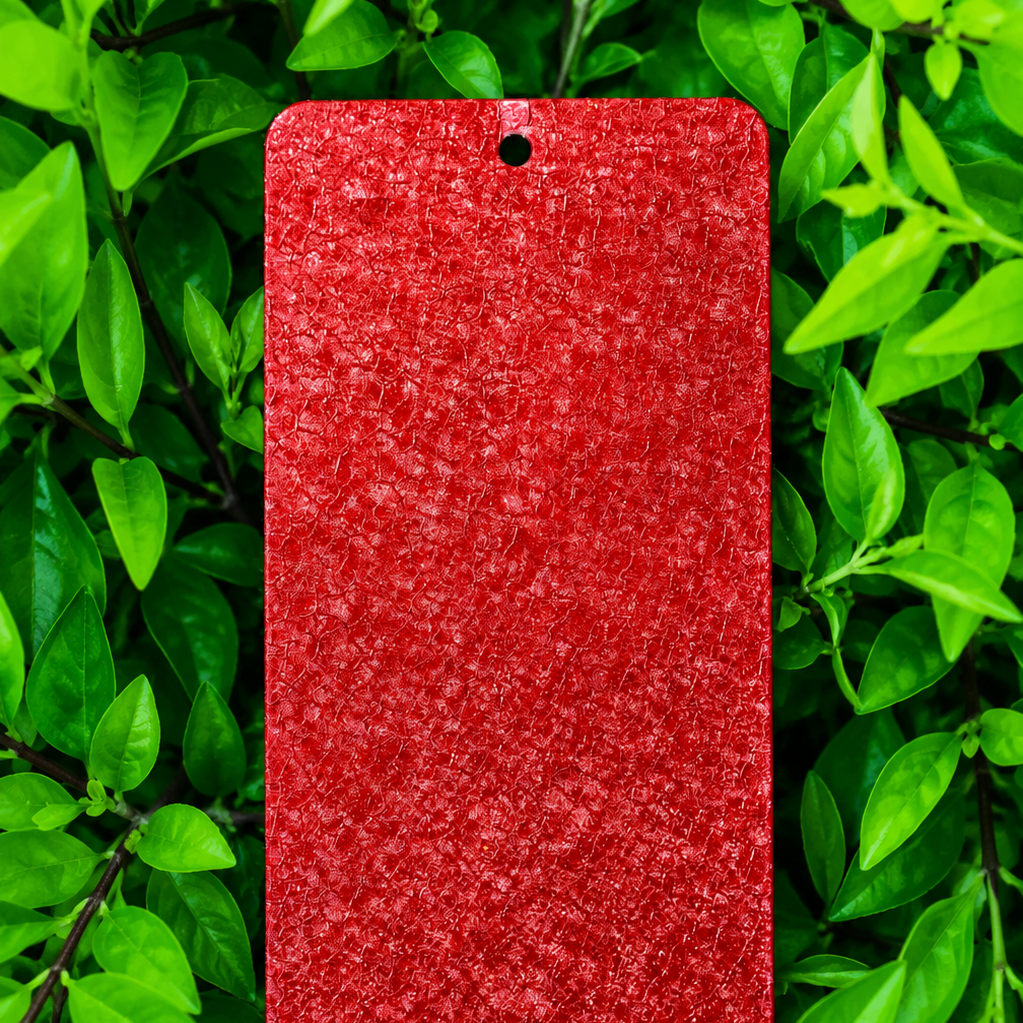
Fine texture, sand texture, wrinkle and Crocodile Texture finishes can create distinctive surfaces while also making certain substrate imperfections less visually obvious.
For furniture manufacturers, this can provide both an aesthetic and manufacturing benefit.
Texture also influences how customers perceive a product. A fine matt texture can make an ordinary steel cabinet feel more architectural, while a deeper decorative texture can help differentiate furniture collections without changing the underlying metal structure.
Rivers supports smooth, fine-texture, sand-texture, wrinkle, Crocodile Texture, ultra-matt and other decorative finishes, giving furniture manufacturers greater freedom to develop different product positions from the same production line.
Ultra-Matt and Soft-Touch Finishes Are Expanding Design Options
Furniture design is increasingly moving beyond conventional high-gloss surfaces.
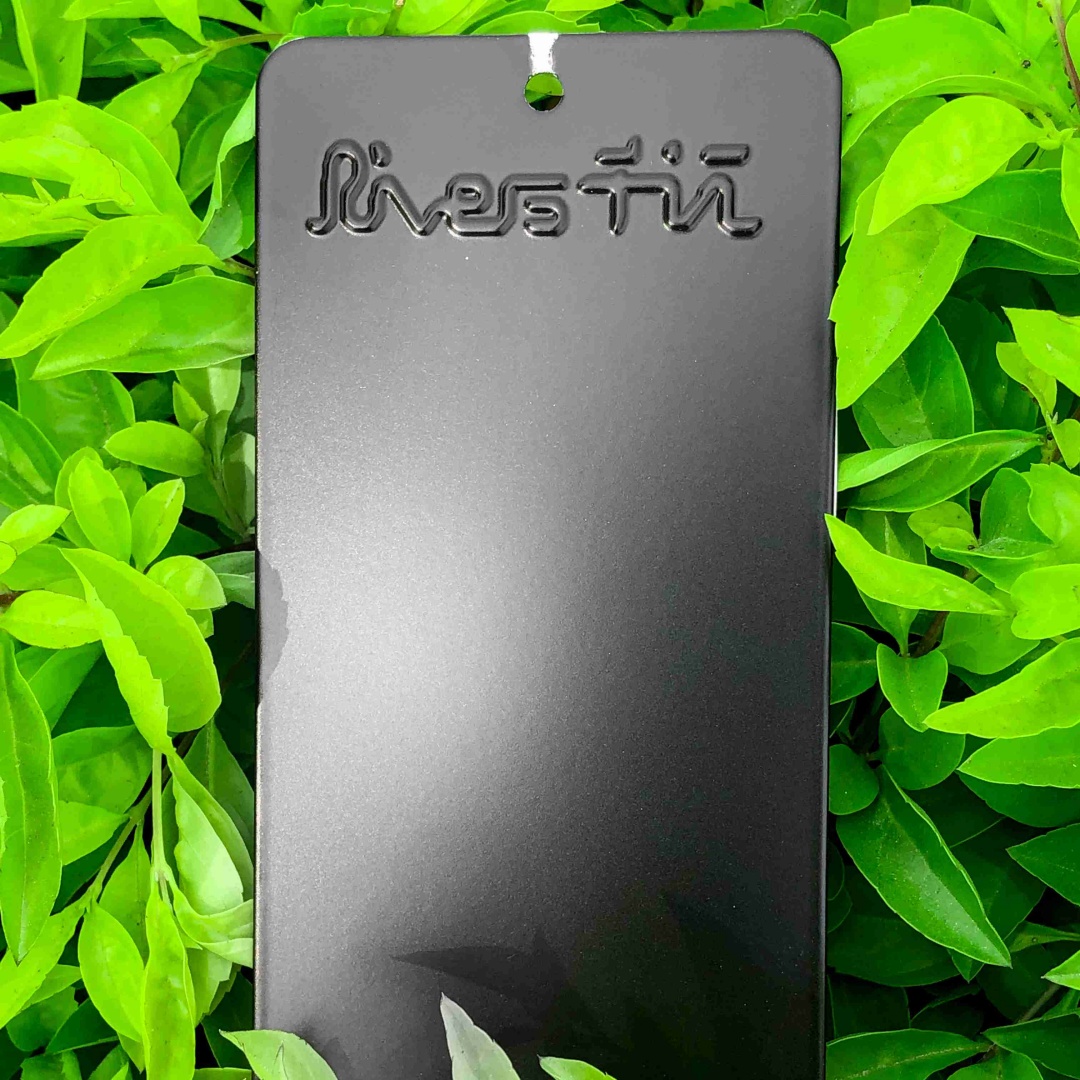
Ultra-matt black, muted grey, warm neutral colors and tactile surfaces are now frequently used in office, residential and commercial furniture.
These finishes create a more refined appearance, but they can also be more technically demanding.
Very low gloss must remain uniform across large surfaces. Differences in film thickness or curing conditions can become visible as gloss variation.
Rivers has developed ultra-matt and soft-touch powder coating technologies for applications where surface character is an important part of the product design.
For furniture manufacturers and distributors, these products provide an opportunity to compete through finish differentiation rather than relying only on standard RAL colors.
Metallic Furniture Requires Better Process Control
Metallic effects are another growing decorative category.
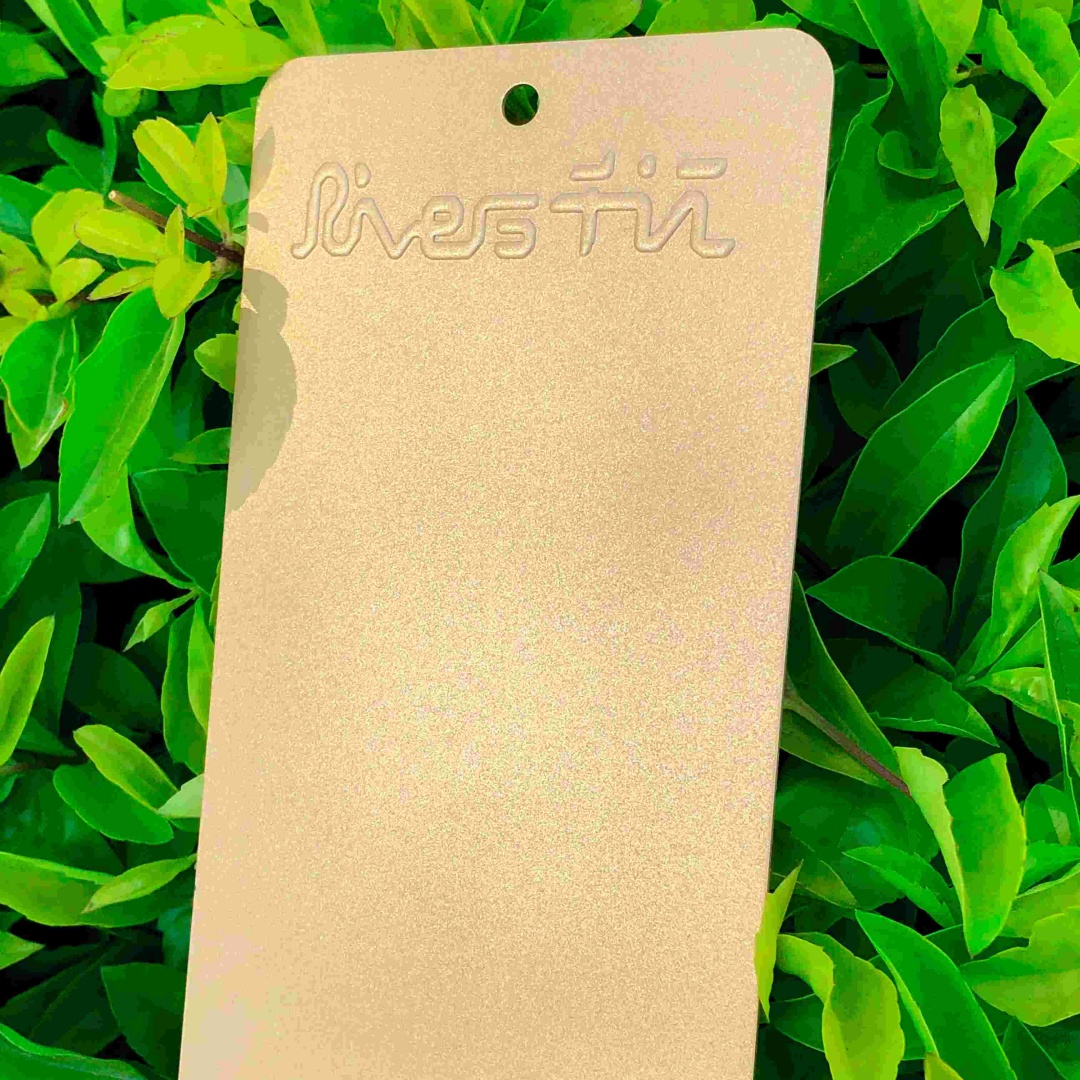
Champagne, bronze, metallic grey and fine silver can significantly increase the perceived value of chair frames, table bases, shelving and premium office furniture.
But metallic powder is more sensitive to electrostatic conditions than ordinary solid colors.
Gun settings, workpiece geometry, film thickness and reclaim ratios can influence final appearance.
Rivers operates 30+ large-scale metallic bonding lines, giving it dedicated capacity for industrial metallic powder production.
For furniture customers, this matters because the objective is not simply to produce one attractive sample panel.
The same finish must remain consistent across hundreds or thousands of furniture components.
Bonding technology, combined with appropriate application control, provides a stronger foundation for that repeatability.
Fast Sampling Helps Furniture Brands Develop New Collections
Furniture manufacturers often work around seasonal collections, customer-specific projects and short product-development cycles.
Waiting several weeks for each new color can delay an entire launch.
Rivers operates 53 sample-development lines, supporting rapid color matching and finish development.
Customers can provide a RAL reference, coated component, color chip or physical sample. Rivers can then evaluate color, gloss, texture and application requirements before preparing trial powder.
For qualified projects, small samples can be supplied for spraying evaluation before commercial production.
This is particularly useful for overseas furniture customers because approving the finish before placing a larger order reduces the risk of international supplier qualification.
Stable Supply Matters After the Sample Is Approved
Sampling speed attracts customers, but repeat-order consistency keeps them.
Rivers has supplied furniture-related powder coatings to overseas markets including Poland, Russia and Canada, in addition to its established furniture application experience in China.
The company's wider manufacturing network provides annual powder coating capacity exceeding 100,000 tons, allowing successful development projects to scale into recurring commercial supply.
For international buyers, this creates an important combination:
small enough to develop a customized color, but scalable enough to support growing production demand.
English TDS/SDS, available test documentation and overseas technical communication can also be provided to support qualification and production.
Why Furniture Manufacturers Work with Rivers
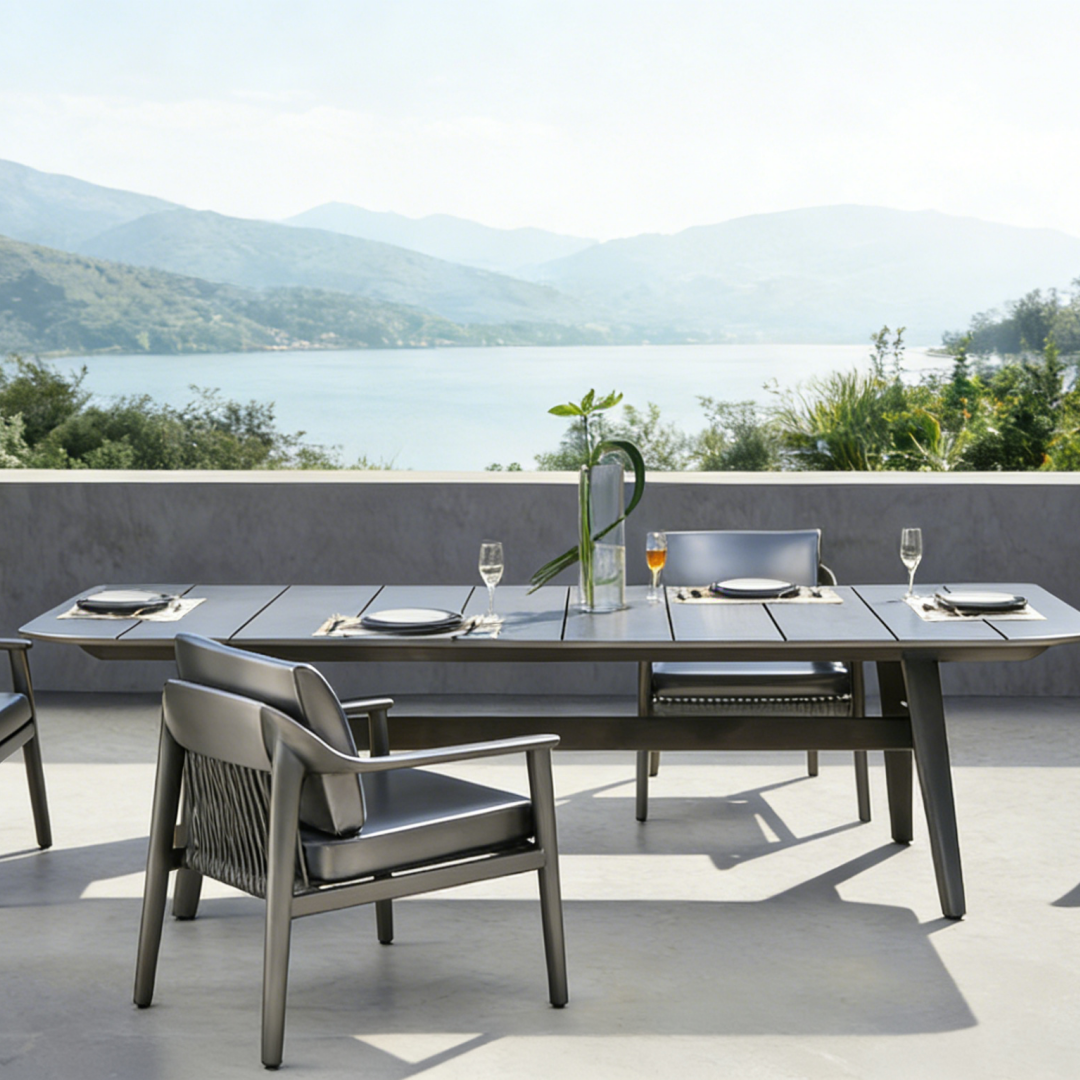
Rivers' value in furniture applications comes from combining decorative capability with industrial manufacturing practicality.
A customer may begin with a standard matt black, then develop a fine texture, metallic champagne or ultra-matt collection later.
Instead of qualifying a new supplier for every surface category, Rivers can support multiple finish directions within one broader powder coating portfolio.
For manufacturers and distributors, that can mean faster product development, fewer supplier transitions and a more consistent route from sample approval to bulk production.
Ultimately, furniture powder coating should do more than protect metal.
It should help the manufacturer create a product that looks better, runs efficiently on the coating line and can be reproduced order after order reliably.
Call to Action
Developing a new metal furniture collection or looking for a more reliable powder coating supplier? Send Rivers your color reference, coated component or target finish. We can support customized color matching, samples, TDS/SDS, quotations, metallic and texture development, and coating-line technical support.

Rivers (Qianjiang) Group
Zhaoqing Qianjiang High-Tech Materials Technology Corporation
Guangdong Huajiang Powder Technology Co., Ltd.
Shandong Qianjiang Powder Technology Co., Ltd.
Guangdong Wesdon Rivers Powder Paints Scientifc Research Co., Ltd.
Zhaoqing Qianjiang Coating Co., Ltd.
Zhuhai Zhengdong Chemicals Co., Ltd.
Zhongshan Yonghan Industrial Additives Co., Ltd.
Guangdong Honglang Technology Co., Ltd.
WhatsApp:+86 150 1171 7323
Mail:global@riversqj.com
Address:
Guangdong Huajiang Powder Technology Co., Ltd.
No. 27 Jianshe Road, Dawang High tech Zone, Zhaoqing, Guangdong Province


