
From Color Sample to Mass Production: How Rivers Controls Powder Coating Quality at Every Step
Stable Powder Coating Quality Starts Before Production
For industrial powder coating buyers, product quality is not only about passing a laboratory test.
A powder may look good on one sample panel, but the real challenge begins when it enters continuous production. Customers need the same color, gloss, texture, charging behavior, curing response and film performance from batch to batch.
This is especially important for aluminium profiles, furniture, automotive components, electrical equipment, appliances and other applications where production efficiency and surface consistency directly affect the final product.
At Rivers Powder Coatings, quality control begins before the first production batch is made.
The process starts with understanding the customer’s target: a physical color sample, RAL color, existing powder sample, coated component or technical specification. From there, Rivers combines color matching, formulation development, raw material control, process verification and application testing to help move the product from laboratory development to stable industrial production.

Step 1: Accurate Color Matching and Formula Development
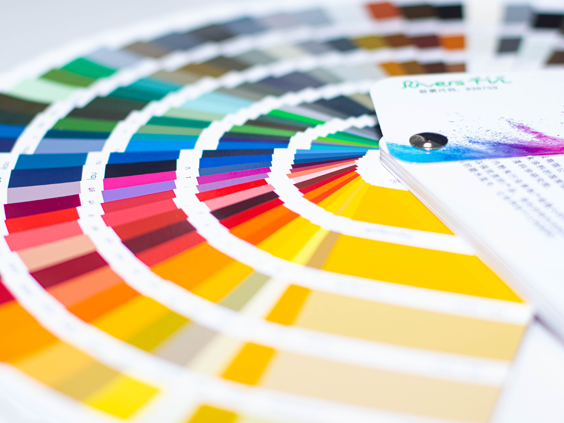
Color development is one of the most critical steps in powder coating.
Even when two powders appear similar under one light source, differences in pigment combination, gloss, texture or metallic effect may become visible under different lighting conditions.
Rivers uses professional color measurement equipment, including X-Rite color instruments, to analyze customer samples and compare color data.
The laboratory then develops the formulation based on the required appearance and performance level.
For standard solid colors, the focus may be on color difference, gloss and surface appearance.
For metallic, texture, wrinkle, crocodile texture or special-effect powders, the development process also needs to consider application sensitivity and final appearance after electrostatic spraying.
Before moving forward, laboratory samples are prepared and sprayed for customer approval.
Step 2: Raw Materials from Established Supply Chains
The performance of a powder coating depends heavily on the stability of its raw materials.
Polyester resin, epoxy resin, curing agents, pigments, fillers and additives all affect the final coating.
As a large-scale powder coating manufacturer, Rivers uses centralized procurement across its manufacturing network and works with established upstream raw material suppliers.
Incoming materials are subject to inspection before being released for production.
Depending on material type and quality requirements, Rivers' laboratory capabilities include equipment such as Differential Scanning Calorimetry, Thermogravimetric Analysis and FTIR spectroscopy.
The purpose is not simply to inspect materials after a problem occurs, but to reduce variation before production begins.
Step 3: Controlled Manufacturing at Industrial Scale
Once the formulation and raw materials are confirmed, the product enters the manufacturing process.
Powder coating production typically includes:
Raw Material Dosing → Premixing → Melt Extrusion → Cooling & Crushing → Fine Grinding → Sieving → Quality Inspection → Packaging
Each stage can influence the final powder.
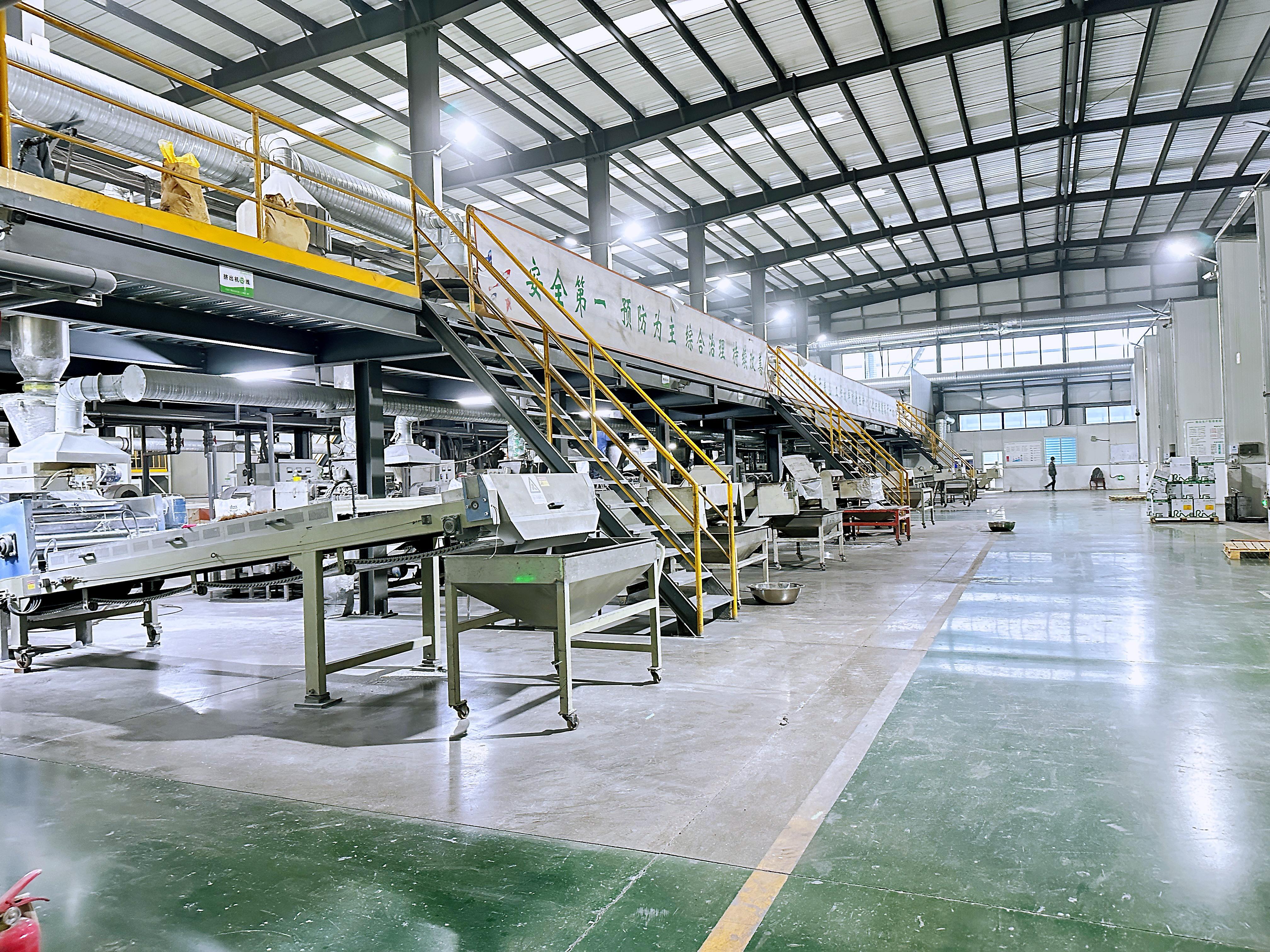
Extrusion conditions affect resin and pigment dispersion. Grinding conditions influence particle size distribution. Particle size can then affect fluidization, transfer efficiency, film build and final appearance.
Rivers operates a large manufacturing network with more than 100 production lines and annual capacity exceeding 100,000 tons.
This scale supports both high-volume standard products and more specialized coating systems for architectural, automotive, industrial and functional applications.
For metallic powder coatings, Rivers also operates dedicated bonding equipment to improve pigment distribution and spraying stability.
Step 4: Quality Control Before Release
Finished powder is not released based on appearance alone.
Depending on the product and application, quality control may include evaluation of:
Color difference
Gloss
Surface appearance
Gel time
Particle size distribution
Flow and leveling
Adhesion
Impact resistance
Hardness
Curing response
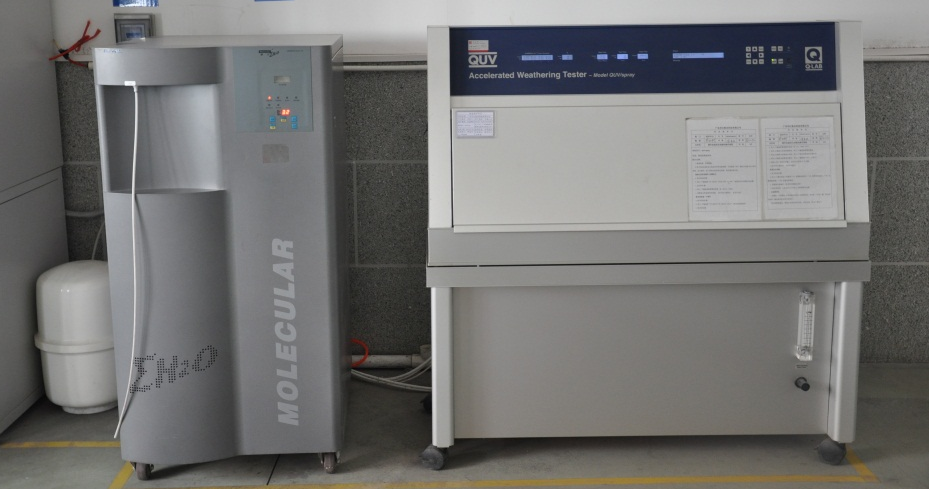
Salt spray resistance
Weathering performance
For architectural products, testing may also relate to QUALICOAT or AAMA performance levels.
For anti-corrosion systems, product selection and testing may reference ISO 12944 corrosion categories such as C3, C4, C5-M or C5-H.
For automotive and electrical applications, additional product-specific requirements may apply.
The key principle is that testing must match the actual application rather than using one generic standard for every powder coating.
Step 5: Application Simulation Before Customer Production
A powder coating can pass laboratory testing and still behave differently on a customer’s line.
Spray gun settings, line speed, grounding, workpiece geometry, reclaim ratio, oven profile and film thickness can all influence the final result.
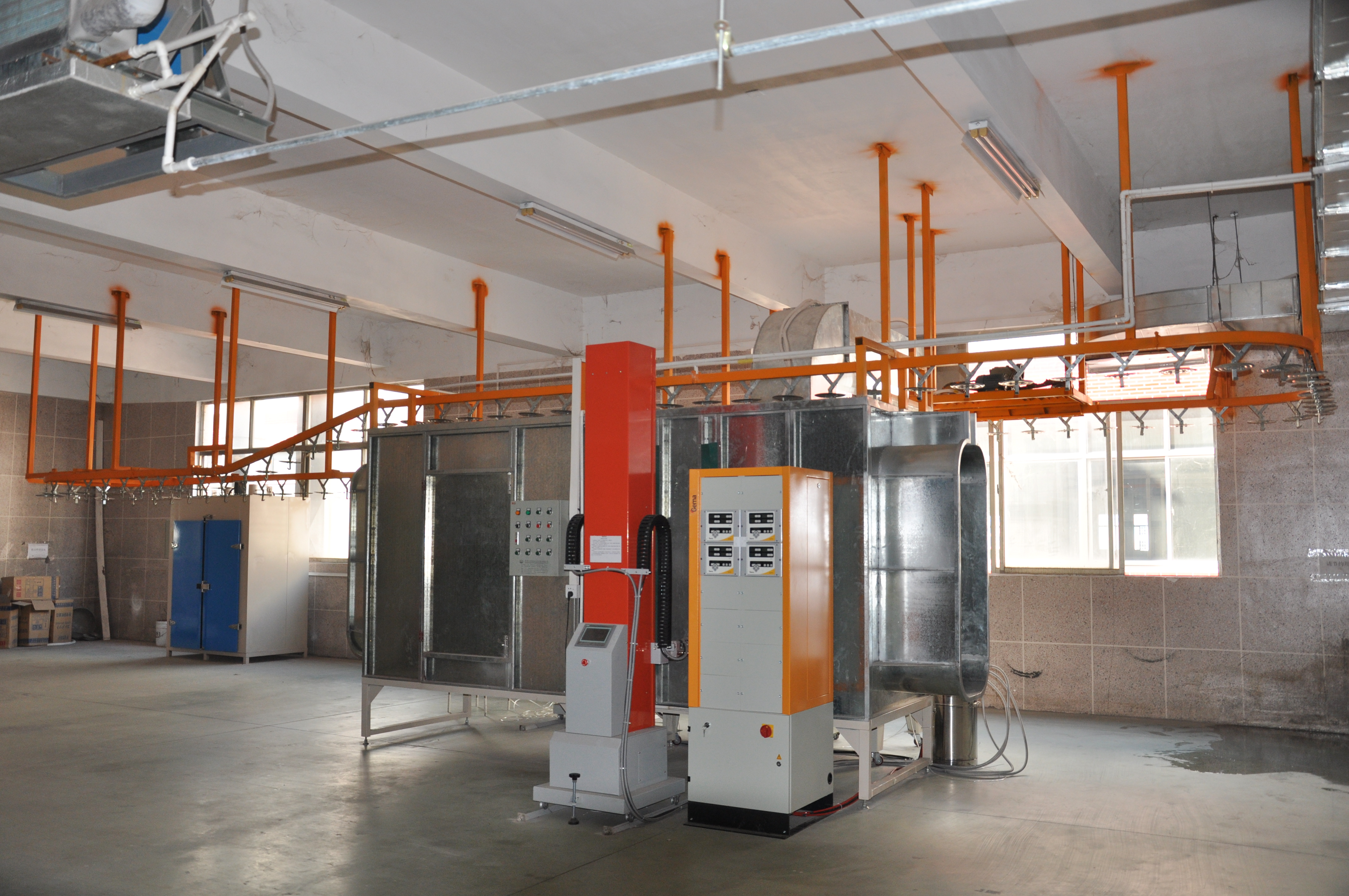
That is why Rivers places particular emphasis on application simulation.
Before a product enters mass production, Rivers can reproduce spraying conditions using professional coating equipment to evaluate powder behavior, appearance and process stability.
This is especially useful for:
Metallic powders, where spraying conditions can affect visual consistency.
Complex components, where Faraday cage effects can influence edge and recessed-area coverage.
High-gloss products, where leveling and contamination control are critical.
Architectural aluminium, where batch-to-batch color consistency is important for large projects.
The objective is to identify potential problems before the customer starts full production.
From Sample Approval to Long-Term Supply
For overseas B2B customers, a successful powder coating project usually follows a simple process:
Application Review → Sample Matching → Technical Confirmation → Trial Production → Process Optimization → Bulk Supply
This approach reduces risk for both sides.
It also allows Rivers to understand the customer's production conditions rather than simply supplying powder based on a color code.
For distributors, this technical support is equally important. A distributor is not only selling powder; they are helping customers solve coating problems.
Rivers can support overseas partners with product selection, color matching, TDS/SDS documentation, samples, test reports and technical troubleshooting.
Why Manufacturing Control Matters
In powder coating, consistency is often more valuable than one impressive laboratory result.
Customers need to know that the next batch will spray like the previous batch, cure under the same conditions and reproduce the same appearance.
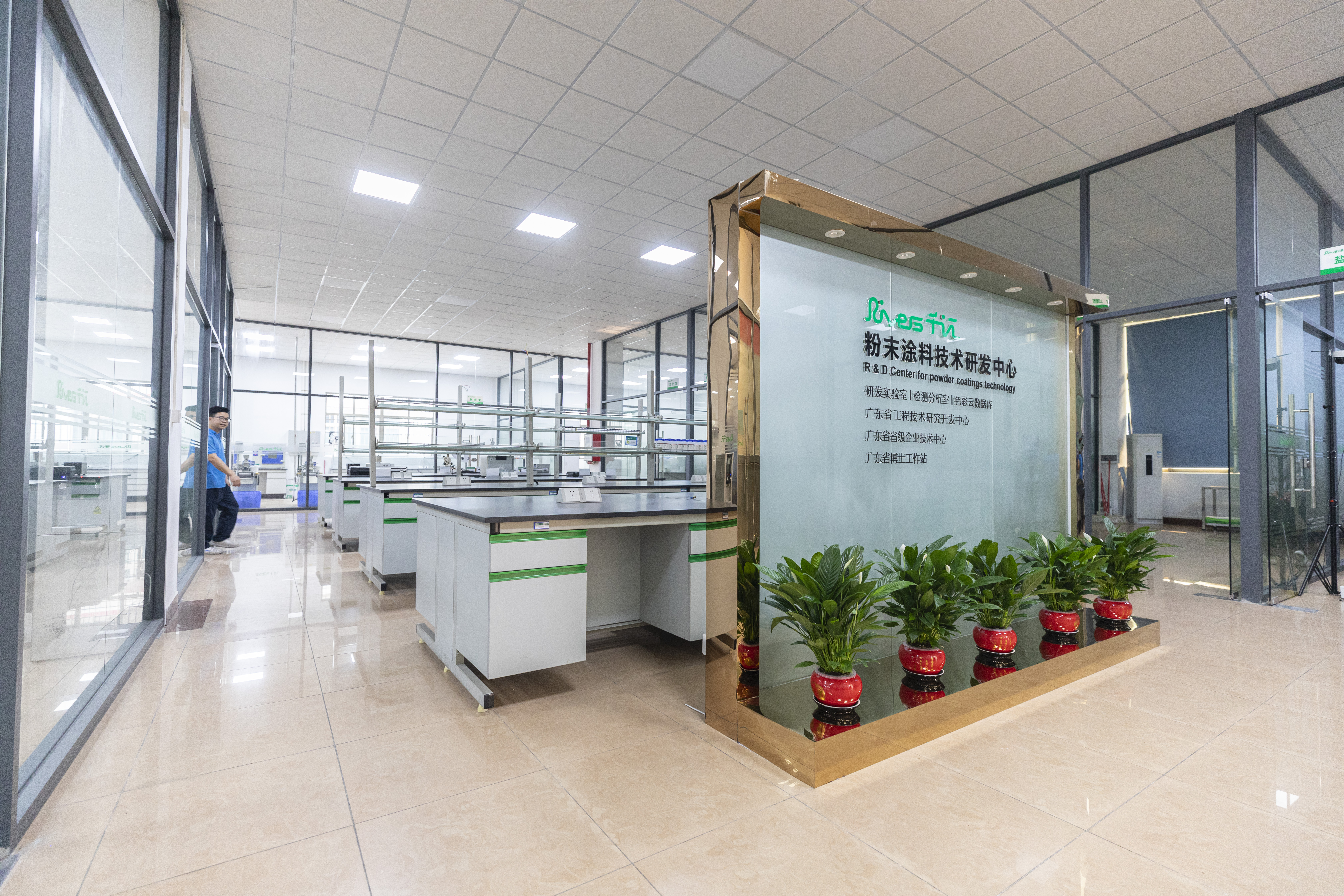
That is why Rivers focuses on the complete production chain—from raw materials and formulation to manufacturing, testing and application verification.
For industrial buyers, this means a more predictable coating process, fewer production interruptions and a lower risk of rework caused by coating inconsistency.
Call to Action
Looking for a reliable powder coating partner for color matching, mass production or technical application support? Contact Rivers Powder Coatings for samples, TDS/SDS, quotations, customized colors and production-line recommendations.

Rivers (Qianjiang) Group
Zhaoqing Qianjiang High-Tech Materials Technology Corporation
Guangdong Huajiang Powder Technology Co., Ltd.
Shandong Qianjiang Powder Technology Co., Ltd.
Guangdong Wesdon Rivers Powder Paints Scientifc Research Co., Ltd.
Zhaoqing Qianjiang Coating Co., Ltd.
Zhuhai Zhengdong Chemicals Co., Ltd.
Zhongshan Yonghan Industrial Additives Co., Ltd.
Guangdong Honglang Technology Co., Ltd.
WhatsApp:+86 150 1171 7323
Mail:global@riversqj.com
Address:
Guangdong Huajiang Powder Technology Co., Ltd.
No. 27 Jianshe Road, Dawang High tech Zone, Zhaoqing, Guangdong Province


